
TRANSPARENT SPEAKER WIRE
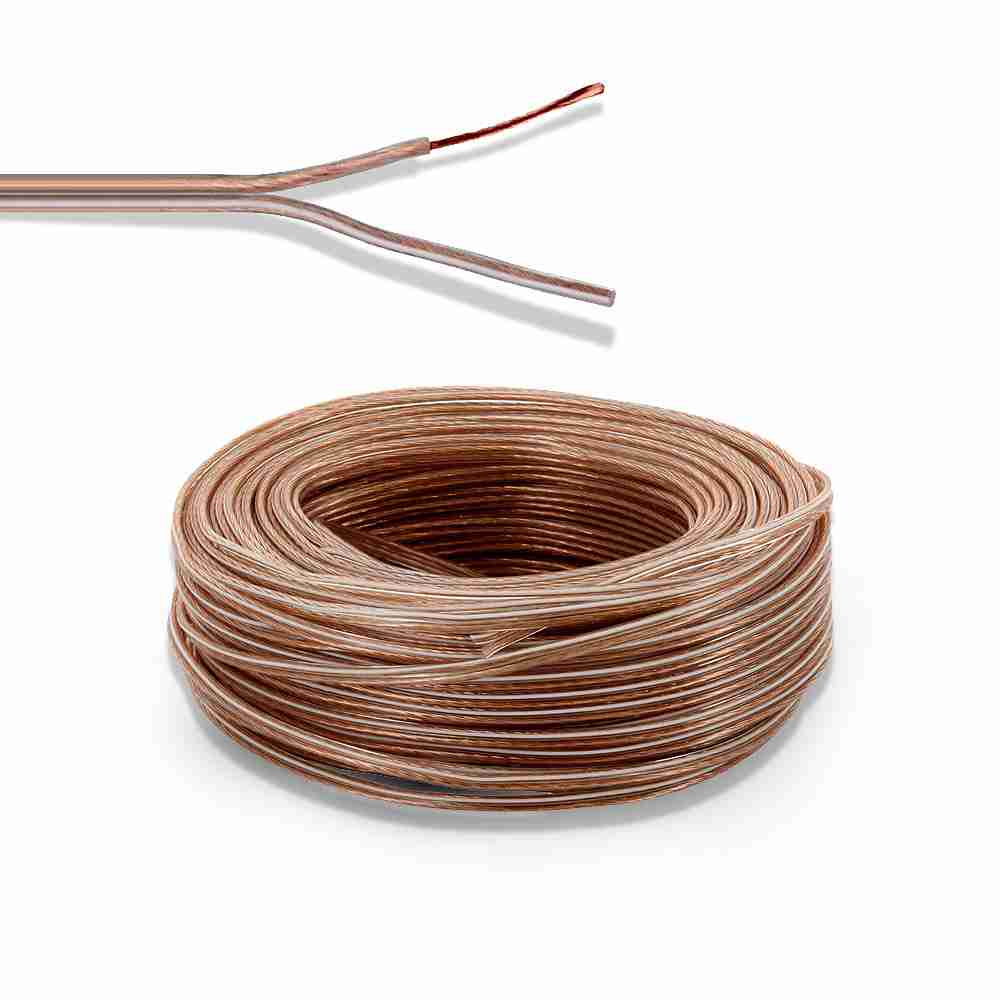
A transparent speaker wire is a type of audio cable distinguished by its clear PVC or similar polymer insulation that allows the copper conductors to be visible. It is commonly used in home audio, theater, and car audio systems due to its flexibility and ease of polarity identification.
Key Composition and Materials
Transparent speaker wires usually consist of:
-
Conductor: Flexible bare copper or oxygen-free high-conductivity (OFHC) copper, which provides low resistance and accurate signal transmission.
-
Insulation: Transparent PVC or clear thermoplastic sheath, sometimes with a dyed stripe along one core for polarity marking. This insulation is visually appealing but can degrade over time, occasionally causing a green tint due to copper oxidation and PVC reaction.
-
Variants: Some high-end transparent cables (e.g., Transparent Audio’s Ultra loudspeaker cable) include internal network filters to manage capacitance and inductance, delivering a cleaner and more detailed soundscape.
Technical Specifications
Typical transparent wires have the following range of resistances based on cross-section:
| Conductor Size (mm²) | Resistance (Ω/km) | Common Use |
|---|---|---|
| 0.75 mm² | 26 Ω/km | Small speakers, short runs |
| 1.5 mm² | 13.3 Ω/km | Standard home audio |
| 2.5 mm² | 7.98 Ω/km | High-power or long-distance installs |
| 4.0 mm² | 5.0 Ω/km | Professional or high-end systems |
They typically tolerate operating temperatures from –20°C to +70°C, making them versatile for indoor and mild outdoor use.
Advantages
-
Visual clarity — easily identify polarity and conductor condition.
-
Flexibility — soft PVC makes it suitable for concealed or decorative installations.
-
Low signal loss — especially with OFHC copper conductors.
Considerations
-
Oxidation visibility: Transparent PVC insulation can reveal copper discoloration (greening over time), a cosmetic issue due to chemical interaction but minor performance-wise.
-
Upgrade options: For premium performance, transparent wires with network filters or Teflon/PTFE insulation offer improved durability and reduced noise.
In short, a transparent speaker wire combines functionality and design—ideal for home audio or custom installations where both performance and aesthetics count, with 2.5 mm² (14 AWG) copper versions being the practical standard for most systems.